About the Program
It is among SSEP programs—in STEMA Education—that aims to evolve science professionals and science-literate society by aiding the children in exploring fundamental scientific concepts and enhancing mathematic literacy through sports—correlating these essential concepts with the implemented activities.
Why Sports?
Sports and games are universal languages, offering practical, visual, and kinesthetic learning frameworks with joy, free mental tension, and belief. Since children love to play, aiding them to extract science and math fundamentals through sports mechanisms becomes a captivating approach as it centered on activities children are naturally enjoy and familiar with—that through their actions, they realize science in real life and foster cognitive learning capabilities through the development of muscle memories.
Program Objectives
- Promote academic achievement and influence scientific and sports careers.
- Develop Fundamental Movement Skills (FMS), good health, and well being.
- Promote humanity, cultural values, and socialization.
- Revitalize and preserve our traditional sports and games.
Approach
•Engaging and Correlation
Engage children in sports to explore science and mathematics through correlated fundamental concepts in related activities.
Program Modules
• Arithmetic, Geometry, and Data
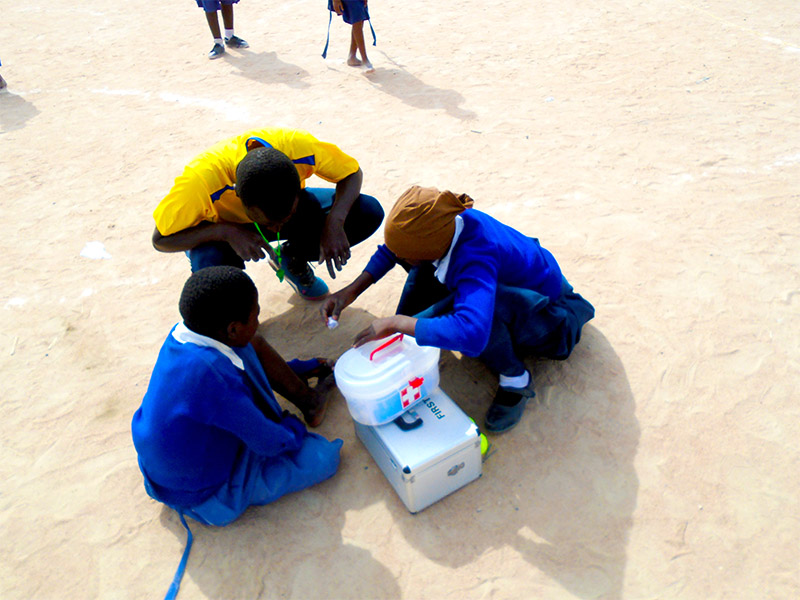
• Physiology, Health, and Nutrition
• Mechanics and Biomechanics
• Socio-Life Skills
• Athleticism (FMS) and Safety
Event Sessions
• Field Making
• Warm Up/Down
• Small-sided (Team building) Games
• Induction Program
Key Values
• Socio-life Skills Values
• Scientific and Mathematical Values
• Athleticism, Sports Ethics, and Safety
program activities
Field Preparation
Arthmetic, Geometry, and Data
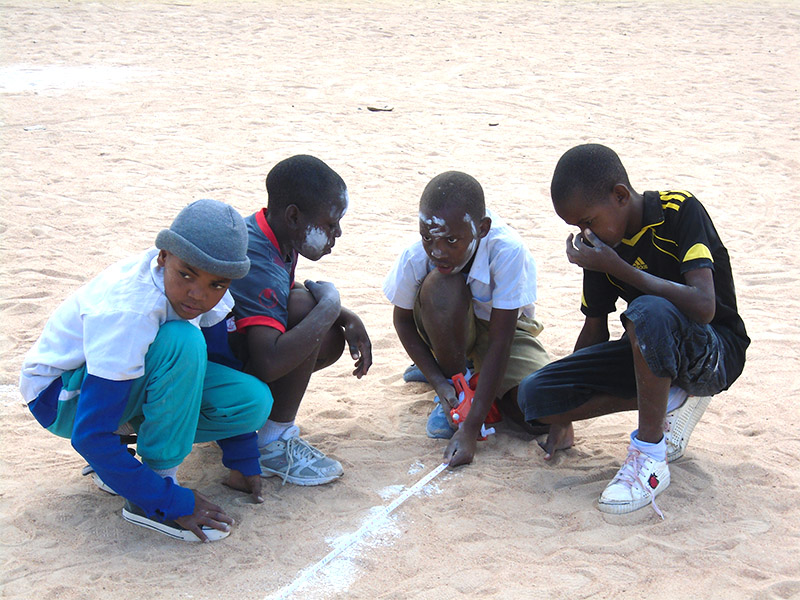
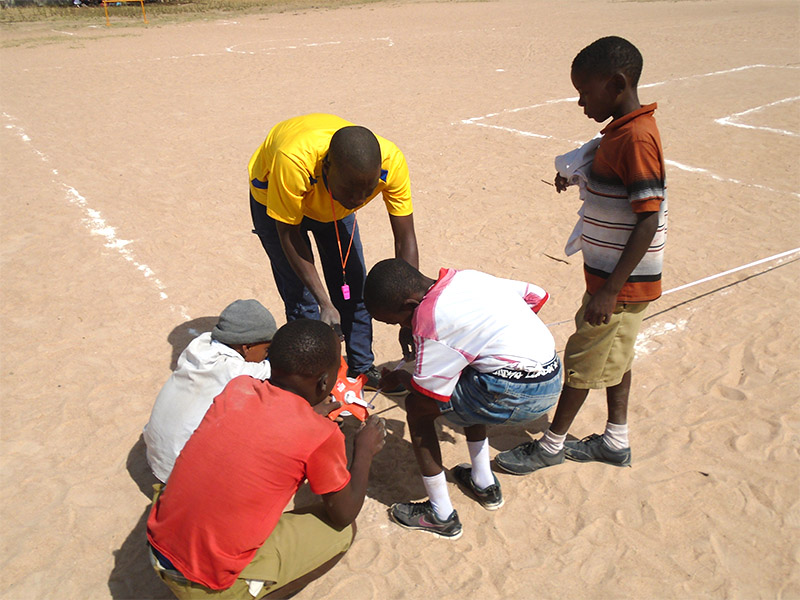
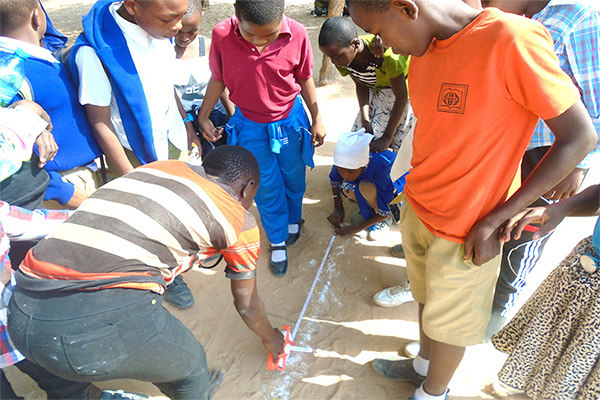
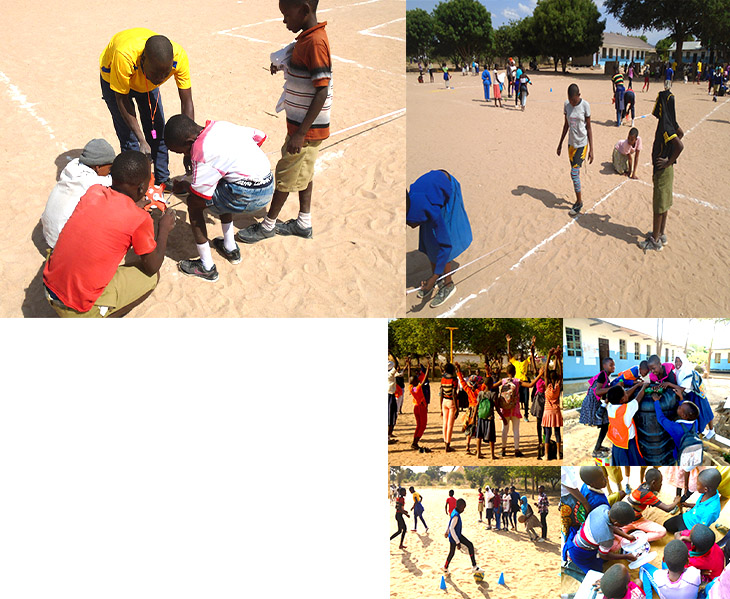
The session applies fundamental Mathematics in Arithmetic, Geometry, and Data to prepare the field of play. This involves the process of field marking, shape making, and measuring size and angles—using standard or non-standard tools.

PROGRAM ACTIONS
Small-Sided Games
Mechanics, Sports Dev, and Socio-life skills
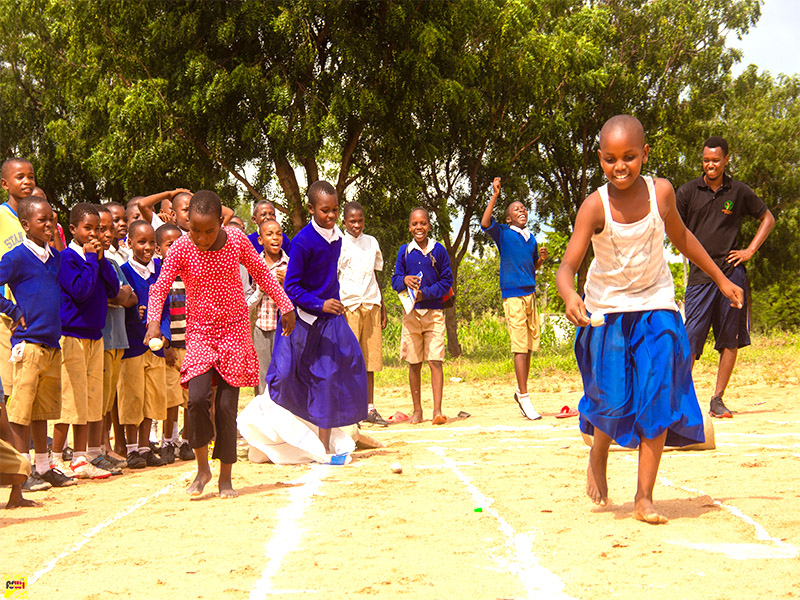
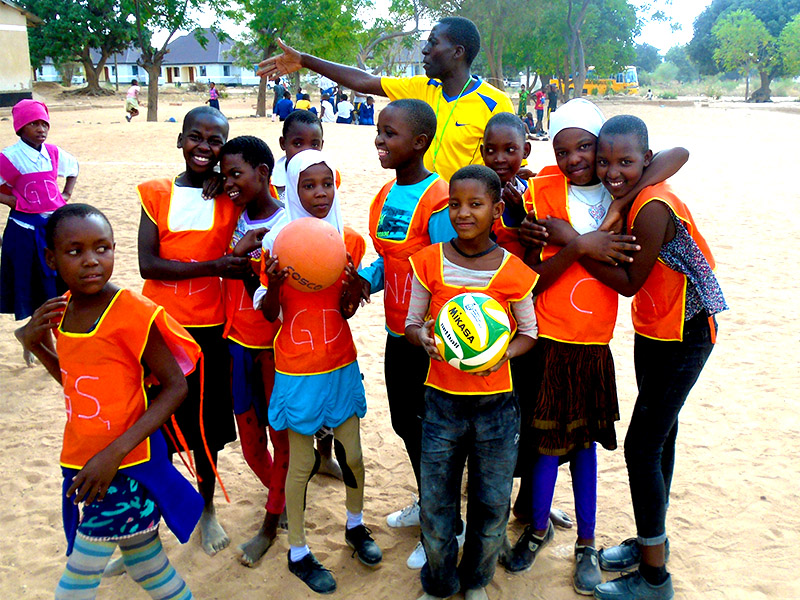
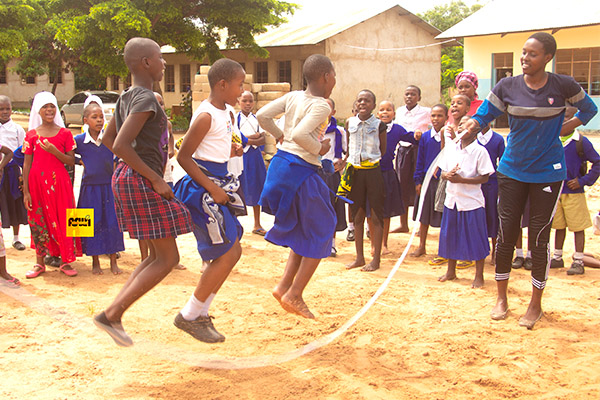
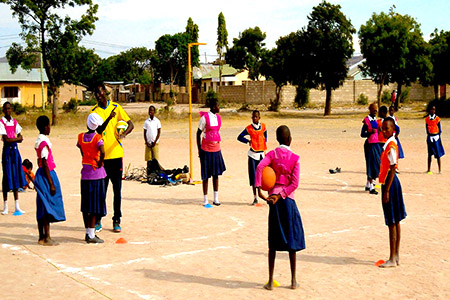
The session features small-sided games from both traditional and modern sports, designed to enhance athletic development and potential recognition while nurturing well-being and socio-life skills. These activities integrate data literacy, fundamental mechanics, and biomechanics principles to analyze sports movements, improve performance, and reduce injury risks.
SPORTS IMPLEMENTED
MODERN SPORTS
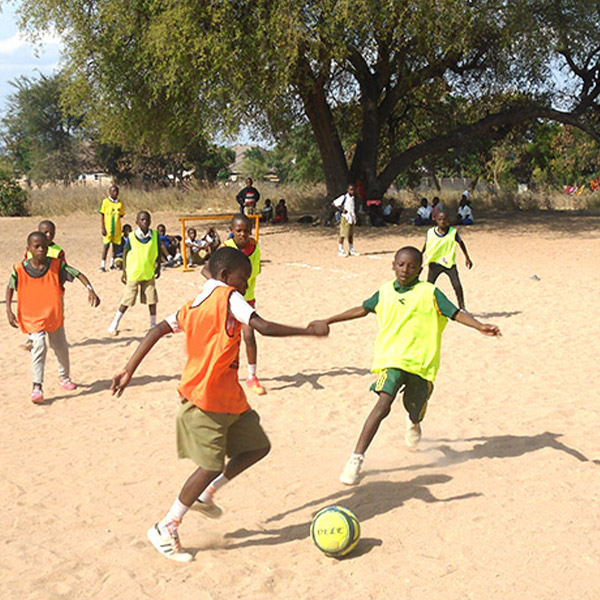
Widely embraced across nations and uniting people from diverse backgrounds, modern sports are ingrained in our communities. We practice them as a versatile platform for learning science fundamentals, fostering international relations, and enriching cultural ethics and socio-life skills.
TEAM-BUILDING GAMES
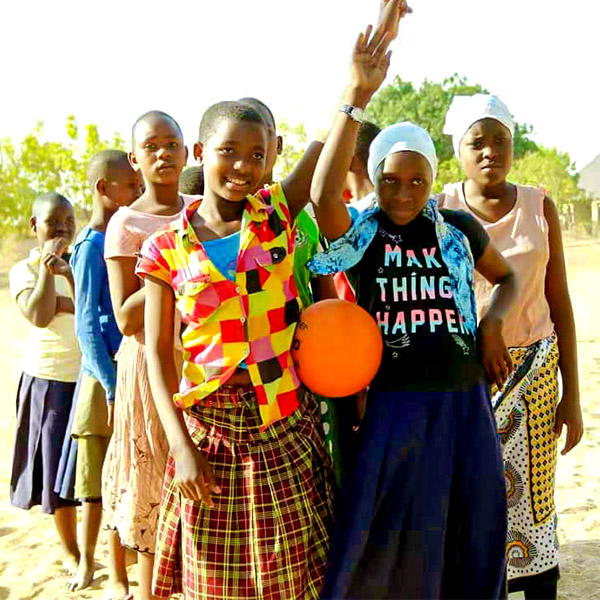
These games promote socio-life skills, emphasizing human values like teamwork, discipline, fairness, integrity, and respect, along with Social-Emotional Learning (SEL). SEL focuses on emotional management, stress coping, motivation, self-awareness, responsible decision-making, and building strong relationships.
TRADITIONAL GAMES
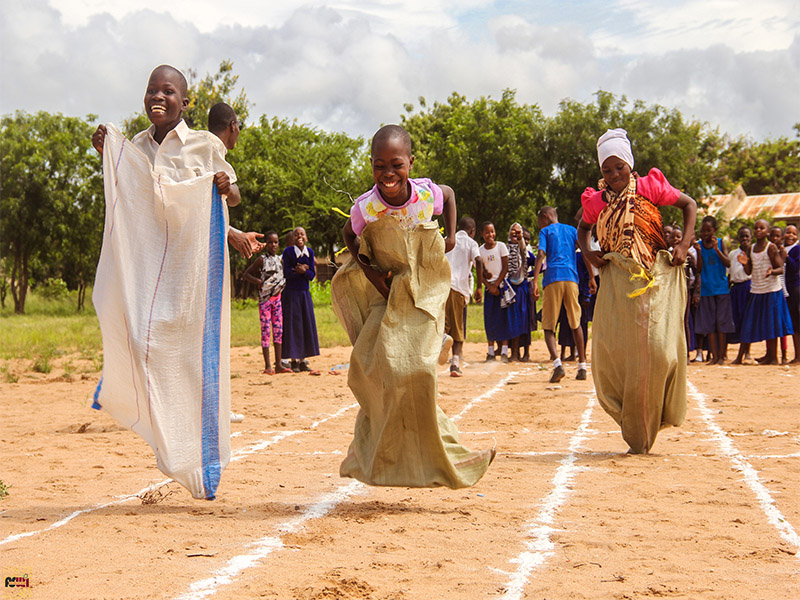
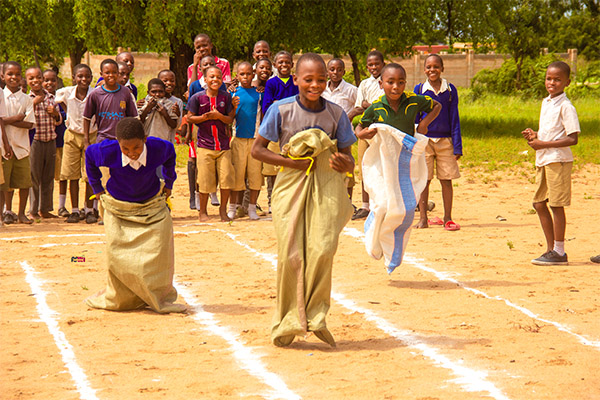
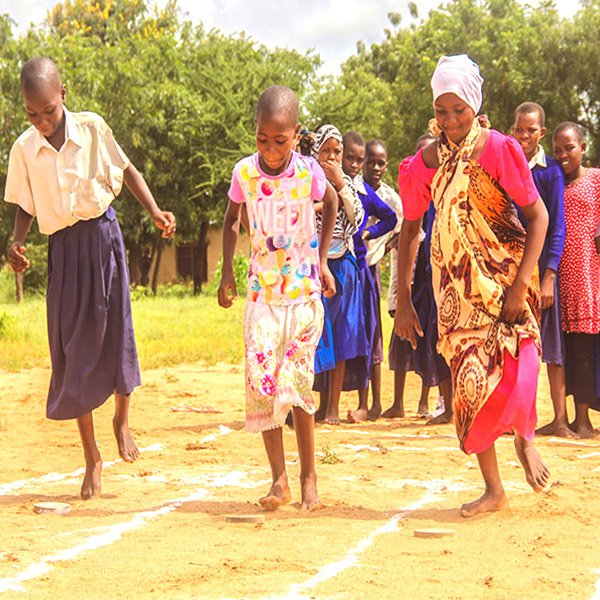
In addition to preserving our cultural heritage, traditions, social identity, and values, these games serve as essential tools for promoting scientific literacy. They blend indigenous wisdom with modern concepts, making them a powerful means of passing down knowledge across generations.
INDUCTION PROGRAMS
The program entails mentorship, motivation, and inspiration initiatives. This encompasses role modeling, identifying potential, and awarding prizes to top performers across all event sessions. The goal is to ignite career aspirations, foster healthy competition, and boost self-confidence. Through these efforts, the program aims to cultivate focus, diligence, and motivation in children, encouraging them to leverage their full potential.

gallery