About the Program
A program to justify (through scientific research), promote (through publications), optimize, and systematize convenient (ancient and recent) indigenous knowledge and practices into science: to mutual exist, develop parallel, and incorporate modern sciences.
It is a fundamental and applied research; a particularistic study associated with the explication, examination, and manifestation: of how indigenous knowledge and practices are convenient to social challenges and integral to cultural renaissance; how they are correlated with science fundamentals and be optimized to enhance social life standards; and how to systematize into science and convolute them with modern sciences to advance sophisticated technologies.
The program is supervised and monitored by INDIGO BABU 968 —based on 3 significant inquiries.
1. What indigenous knowledge or practices are convenient to social challenges?
Although indigenous knowledge, perspectives, and practices are ignored in this modern era, many are still convenient (empirical, compatible, and relevant) to our socio-cultural challenges.
As history recognizes that modern science evolved from indigenous science, we believe the process of optimizing and systematizing our (ancient and recent) indigenous knowledge will develop sciences that catalyze the advancement of sociable technologies. But since not all are practicable, we need to explore and analyze: what are the convenient ones?
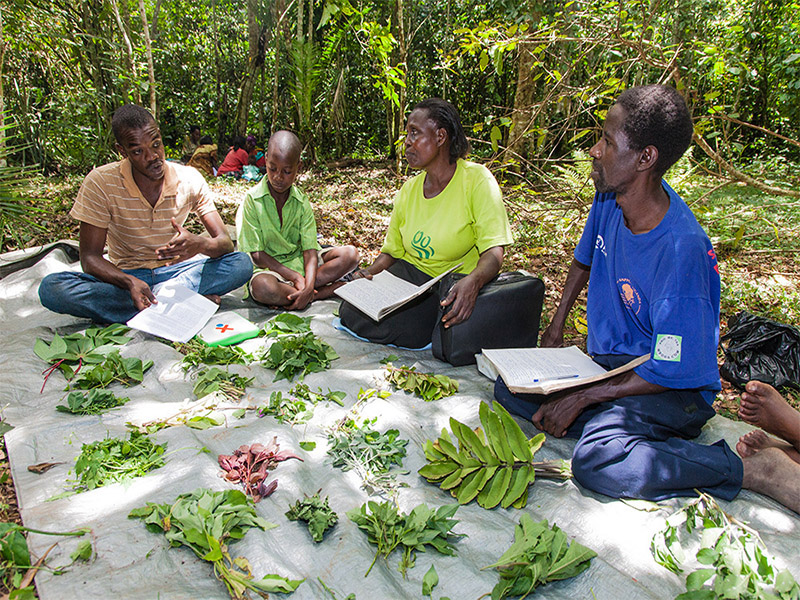
The inquiry is more associated with the qualitative type of research (through observation, in-depth interview, ethnography, case studies, historical, phenomenological, and grounded theory). The research area is affiliated with practices and heritages in the field of scientific environmental management (conservation, regeneration, and protection of nature), transportation, resources exploitation control, Ecosystem stability, renewable energy, ecological disasters, and diseases control.
2.How they reflect and correlate the science fundamentals?
Throughout history, the knowledge and perspectives of Indigenous people have been substantially contributed to the advancement of modern science and responsible for the development of several technologies.
For the identified convenient ancient and (or) recent indigenous knowledge, perceptive, and innovation to mutually exist or be integrated with the modern sciences, then we need to justify (through research and publications) how they are correlated with the modern science fundamentals.
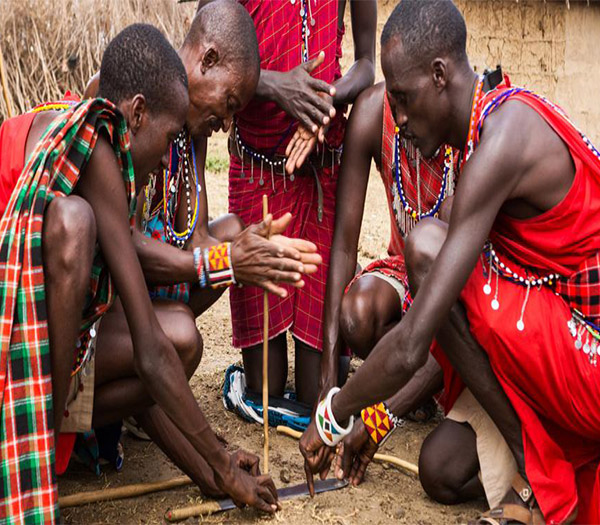
The justification not only will modernize them to co-exist and integrated with modern advanced technologies but also will improve our social and human living standards since they provide problem-solving strategies for local communities (especially the poor), they are adaptable, acceptable, and friendly to societies also they are strong core to revitalize and preserve cultural traditions, heritages, and history.
3. How to modernize as science?
Our convenient traditional knowledge, practices, heritages, and innovations are to be acknowledged, honored, revived and developed to enhance reliable, adaptable, consistent, and sustainable indigenous solutions.
Instead of modern science technology negatively affecting our indigenous knowledge, cultural traditions, and heritages, it should be indigenized to mutually exist and develop, sustain, and adapt to them adhering humanity, ethical standards, and epistemologies.
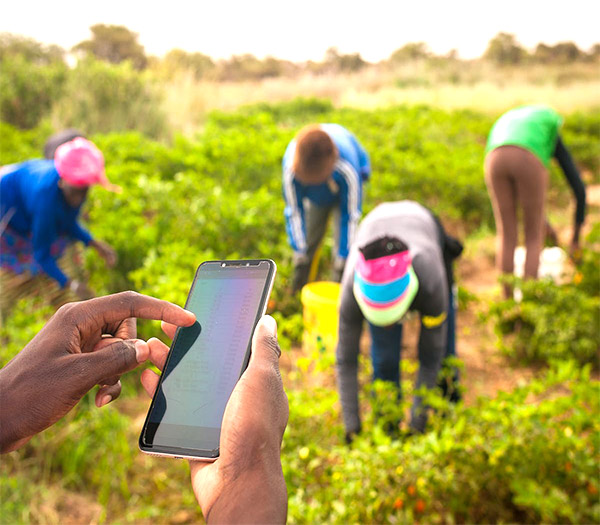
To accomplish the mission, it’s inevitable to research and propose concrete and convincing methodologies to fuse or integrate both indigenous sciences and modern sciences to influence socio-cultural-economic development to improve socio-cultural life and human living standards.
Program's basis
Program Philosophy
Convenient indigenous knowledge, perspectives, and practices should be modern: to advance technologies that guarantee reliable, adaptable, and sustainable socio-cultural and human living standards.
Values and Beliefs
• Community,Tradition, and Ethics
• Humanity, Well-being, and Safety
• Motivating, Practical and Reflective Attitude
Indigenous Knowledge
• Traditional Knowledge
• Indigenous Technical, Folk and Local Knowledge
• Indigenous Astronomical Knowledge
• Environmental or Ecological knowledge
Core Research Area
• Ecosystem Stability
• Environmental Conservation
• Controlling Diseases and Ecological Disasters
• Food Preservation, Security, and Safety
• Indigenous Innovations
gallery
- All
- Indigenous Knowledge
- Indigenous Heritages
- Indigenous Practices